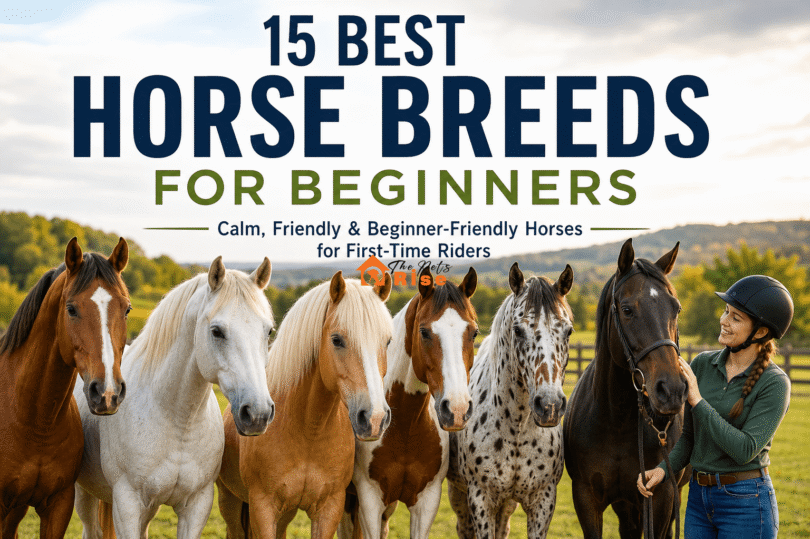
Choosing your first horse is an exciting experience, but it is also a decision that should be made carefully. The right horse can help you build confidence, improve your riding skills, and make horse ownership enjoyable for years to come. On the other hand, choosing a horse that is too young, inexperienced, energetic, or difficult to handle can make your first experience unnecessarily challenging.
So, what are the best horse breeds for beginners?
There is no single breed that is perfect for every new rider. However, some breeds are widely recognized for their calm temperaments, trainability, versatility, manageable size, and willingness to work with people. The American Quarter Horse, Morgan, Haflinger, American Paint Horse, Appaloosa, and several other breeds are frequently recommended for novice riders and first-time owners.
It is important to remember that breed is only one part of the equation. A well-trained, mature horse with experience carrying beginner riders may be a much better choice than a young horse from a breed known for being calm. When possible, beginners should work with an experienced trainer or instructor when evaluating a potential first horse.
- Safety should be the primary concern when choosing a horse for beginners, with temperament and experience being more important than pedigree.
- Breeds like Morgan, American Paint, and Quarter Horses are known for their calm disposition and trainability, making them good choices for novice riders.
- Gaited breeds like the Kentucky Mountain Saddle Horse and Missouri Fox Trotter provide comfortable rides, especially suitable for those with back or joint problems.
Best Horse Breeds for Beginners at a Glance
| Horse Breed | Best For | Height | Temperament | Energy Level |
|---|---|---|---|---|
| American Quarter Horse | Best overall | 14.3–16 hands | Calm and willing | Moderate |
| Morgan Horse | Versatility | 14.1–15.2 hands | Intelligent and friendly | Moderate–High |
| Haflinger | Families and smaller riders | 13.5–15 hands | Gentle and dependable | Moderate |
| American Paint Horse | Temperament and appearance | 14–16 hands | Friendly and relaxed | Moderate |
| Appaloosa | Trail and versatile riding | 14.2–16 hands | Intelligent and hardy | Moderate |
| Tennessee Walking Horse | Comfortable trail riding | 14.3–17 hands | Gentle and willing | Moderate |
| Icelandic Horse | Smaller riders and trails | 13–14 hands | Friendly and confident | Moderate |
| Welsh Pony/Cob | Children and families | 11.2–14.2 hands | Intelligent and hardy | Moderate–High |
| Pony of the Americas | Young riders | 11.2–14 hands | Calm and willing | Moderate |
| Missouri Fox Trotter | Smooth trail riding | 14–16 hands | Gentle and social | Moderate |
| Connemara Pony | English riding | 12.2–14.2 hands | Sensible and athletic | Moderate–High |
| Irish Draught | Larger riders | 15.2–16.3 hands | Sensible and docile | Moderate |
| Clydesdale | Experienced beginners wanting size | 16.2–19 hands | Gentle and patient | Moderate |
| Mixed-Breed Rescue | Individual temperament | Varies | Varies | Varies |
| Thoroughbred | Confident beginners with support | 15–17 hands | Athletic and sensitive | High |
1. American Quarter Horse
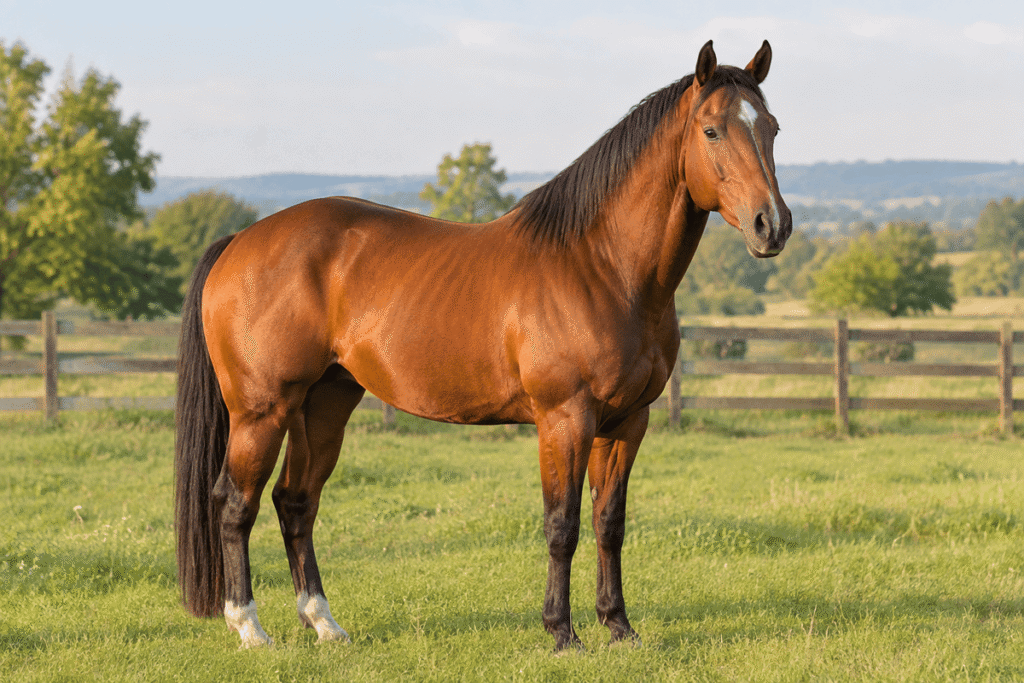
Breed Overview
Height: 14 hands (56 inches) to 16 hands (64 inches)
Weight: 950 to 1,200 pounds
Personality/Temperament: Calm, willing, intelligent, friendly, and dependable
Physical Characteristics: Medium-boned, finely chiseled head, wide forehead, flat profile
Energy Level: Moderate
Coat and Color: Sorrel, chestnut, bay, black, brown, gray, palomino, buckskin, dun, roan, and more
Life Span: 25 to 35 years
The American Quarter Horse is often considered one of the best horse breeds for beginners, and there are several good reasons for its popularity. Quarter Horses are known for their calm and willing personalities, making many individuals relatively forgiving when a new rider gives an imperfect cue. They are also intelligent, athletic, and versatile, allowing them to participate in everything from trail riding and ranch work to Western pleasure and other riding disciplines.
Another advantage is availability. Because Quarter Horses are so widely used, beginners can often find experienced trainers, instructors, farriers, veterinarians, and other horse professionals familiar with the breed. A mature, well-trained Quarter Horse that has already worked with novice riders can make an excellent first horse.
However, not every Quarter Horse has the same personality. Some individuals can be energetic or highly competitive, particularly when bred or trained for demanding performance disciplines. For a first horse, focus on the individual animal’s training and temperament rather than simply choosing a horse because it is a Quarter Horse.
This horse breed is on our list of the best horse breeds for beginner riders for all the right reasons. When it comes to ranch or farm riding, few breeds can match the American Quarter Horse. They are considered to be the easiest breed for beginners. Due to their hard work and not-so-picky keeper he is liked by most of the horse breeders. They are always prepared to go the extra mile.
According to their owners, American Quarter Horses normally don’t need a lot of extra veterinary care and are popular among recreational male riders because they have sturdy feet and a frame made for extended days under saddle, making them one of the most suitable horse breeds for riding. They often adapt well to being ridden alone but are friendly when grouped. This type is preferred for outdoor activities like camping and trail riding. As a result of its intelligence and dependability, this adaptable horse is frequently used in film production.
2. Morgan Horse
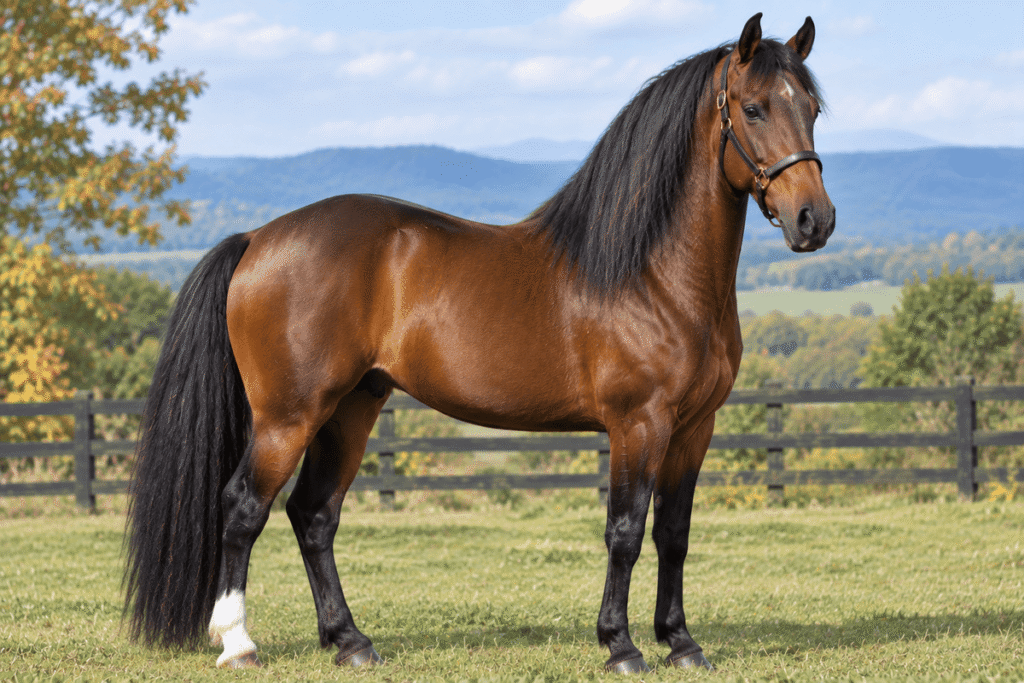
Breed Overview
Height: 14 hands (56 inches) to 15 hands (60 inches)
Weight: 900 to 1,100 pounds
Personality/Temperament: Intelligent, friendly, willing, people-oriented, and versatile
Physical Characteristics: Smooth lines, small ears, expressive eyes, crested neck
Energy Level: Moderate to high
Coat and Color: Bay, black, chestnut, brown, and other recognized colors
Life Span: 20 to 30 years
Morgan Horses are intelligent, versatile, and known for forming strong relationships with their handlers. Their manageable size and willingness to work can make them attractive to first-time owners who want a horse they can continue learning with as their riding abilities improve.
A Morgan can participate in trail riding, driving, English and Western disciplines, dressage, and recreational riding. They are often more responsive and forward-moving than the stereotypically quiet beginner horse, so a new rider should choose an individual with appropriate training. A calm, experienced Morgan can be a rewarding first horse for someone who wants to explore several equestrian activities.
It won’t be wrong to call this horse breed the dog among the horses. Just like a pet dog, they have the characteristics that make them a perfect choice for being a family horse. They have an attentive nature, love socializing, and have a strong will to please their caretaker.
These are the types of horses that suit beginner riders due to their forgiving nature. They are considered to be the first breed in America in the 18th century and they have a kind demeanor. They have well-built muscles and don’t have any health issues for most of their lifespan. They are considered the best suited horses for saddle seats.
3. Haflinger
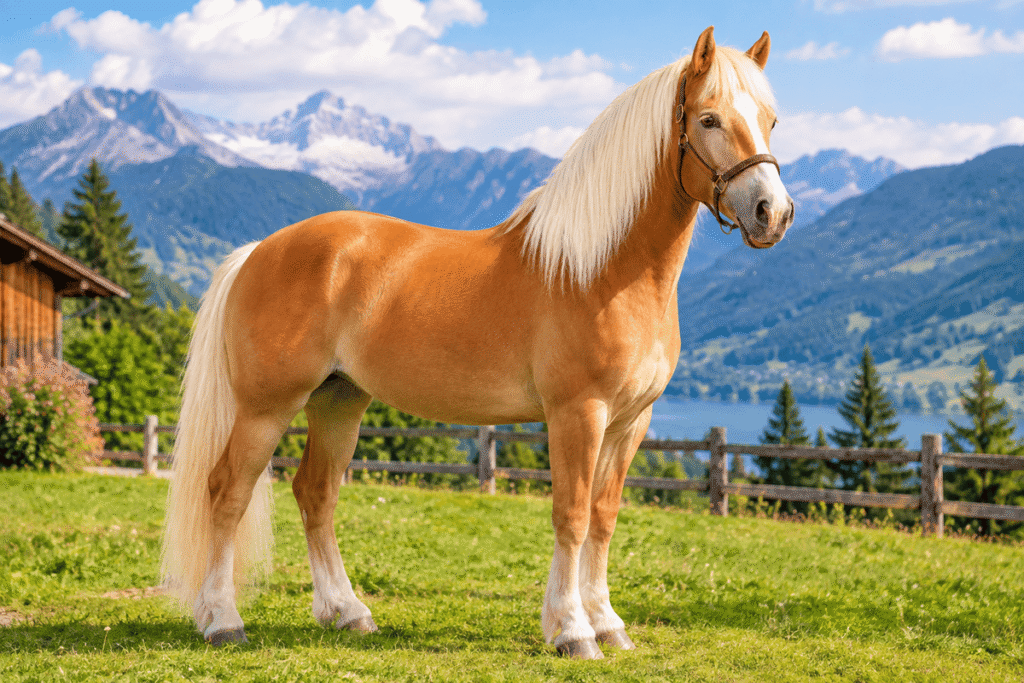
Breed Overview
Height: 13.5 hands (54 inches) to 15 hands (60 inches)
Weight: 800 to 1,300 pounds
Personality/Temperament: Gentle, intelligent, dependable, friendly, and willing
Physical Characteristics: Ad
Energy Level: Moderate
Coat and Color: Chestnut in various shades, usually with a flaxen mane and tail
Life Span: 25 to 35 years
The Haflinger is a small but strong horse that can be a great option for beginners who prefer a shorter mount. Its golden-chestnut coat and light mane and tail make it instantly recognizable, while its sturdy build makes it capable of carrying many adult riders as well as children.
Haflingers are versatile enough for trail riding, pleasure riding, driving, dressage, and other activities. They are generally intelligent and willing to work, although their intelligence can sometimes mean they become bored when they do not receive enough exercise or stimulation. A well-trained Haflinger with a relaxed temperament can be an excellent family horse.
4. American Paint Horse
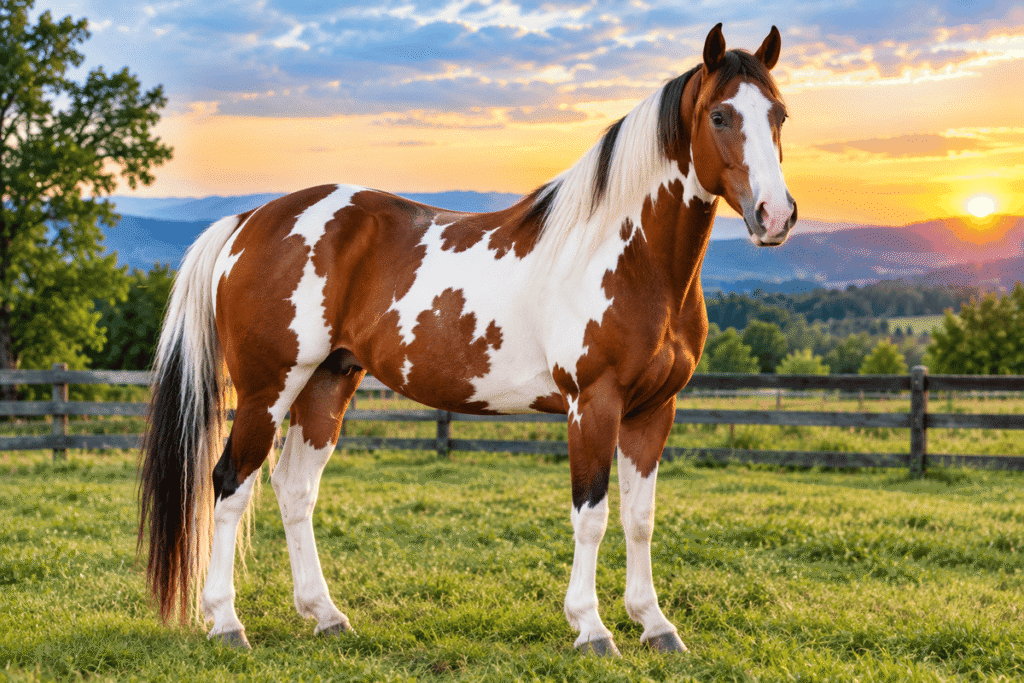
Breed Overview
Height: 14 hands (56 inches) to 16 hands (64 inches)
Weight: 950 to 1,200 pounds
Personality/Temperament: Friendly, intelligent, calm, relaxed, and willing
Physical Characteristics: ad
Energy Level: Moderate
Coat and Color: White combined with bay, black, chestnut, brown, palomino, buckskin, gray, and other colors
Life Span: 25 to 30 years
The American Paint Horse is another excellent candidate for people searching for good horse breeds for beginners. Paint Horses are recognized for their distinctive coat patterns, but their personalities are an even bigger reason for their popularity among recreational riders.
They share many characteristics with stock-type horses, including a strong build, versatility, and a willingness to work. A properly trained Paint Horse can be used for trail riding, ranch activities, Western riding, pleasure riding, and several English disciplines.
For a beginner, it is best to look beyond the beautiful markings and evaluate the horse’s actual behavior. A flashy coat does not automatically mean a horse is suitable for a novice rider. A calm, mature, well-trained Paint is a much better choice than an inexperienced horse with a beautiful pattern.
5. Appaloosa
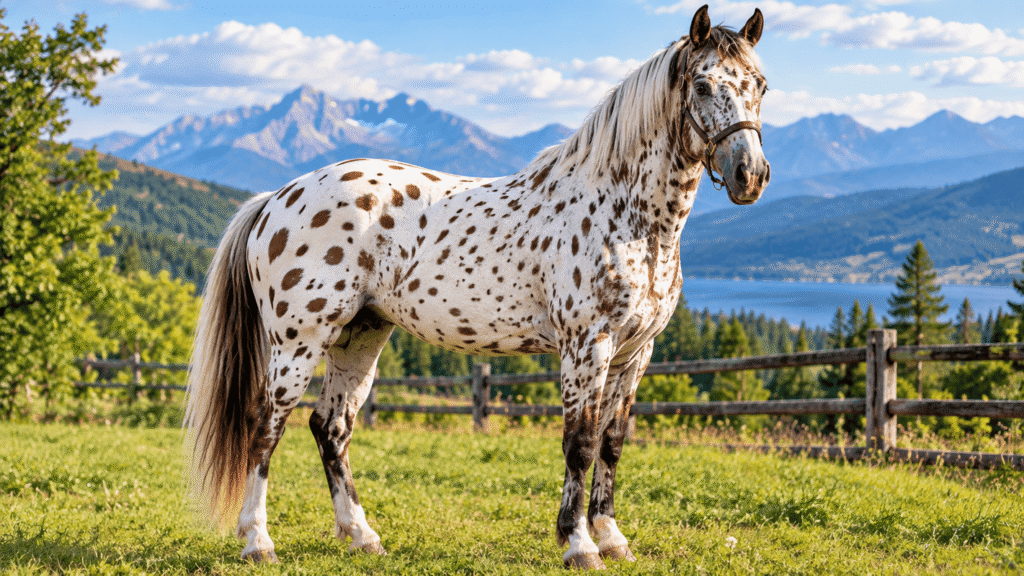
Breed Overview
Height: 14 hands (56 inches) to 16 hands (64 inches)
Weight: 950 to 1,200 pounds
Personality/Temperament: Intelligent, hardy, dependable, versatile, and generally willing
Physical Characteristics: ad
Energy Level: Moderate
Coat and Color: Leopard spotting, blankets, roan patterns, solid colors, and other distinctive markings
Life Span: 25 to 30 years
Appaloosas are famous for their colorful spotted coats, but their versatility is what makes them particularly interesting for beginner riders. They have been used for ranch work, trail riding, Western events, endurance activities, and recreational riding.
Their intelligence and willingness to participate can help a rider explore different disciplines as their skills develop. Appaloosas are also known for their hardy nature, which can be beneficial for people interested in spending time outdoors and riding trails.
However, individual personalities can vary. Some Appaloosas can be more reactive or strong-willed than others, so beginners should test ride the specific horse and have an experienced person help evaluate it before buying.
6. Tennessee Walking Horse
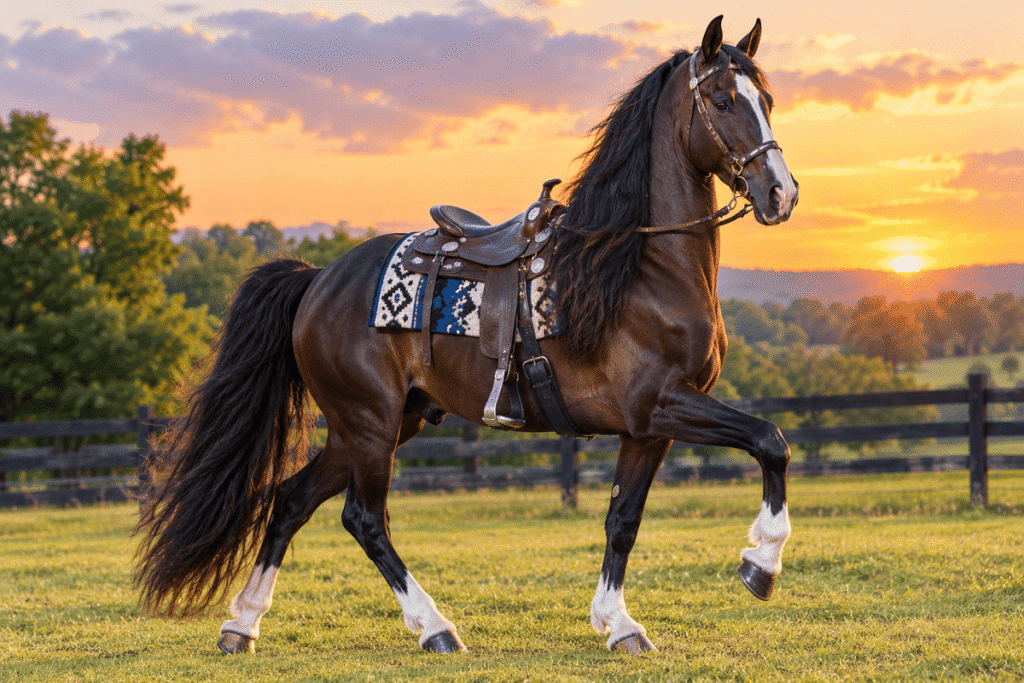
Breed Overview
Height: 14.2 hands (58 inches) to 17 hands (68 inches)
Weight: 900 to 1,200 pounds
Personality/Temperament: Gentle, calm, willing, and people-oriented
Physical Characteristics: Ad
Energy Level: Moderate
Coat and Color: Black, chestnut, bay, sorrel, roan, pinto, and other colors
Life Span: 25 to 35 years
The Tennessee Walking Horse is particularly attractive to beginners who want to spend time on trails. The breed is known for its smooth gaits, which can provide a comfortable riding experience over longer distances.
Its generally gentle and willing nature can also make it appealing to recreational riders. A beginner who prefers relaxed trail rides rather than fast-paced competition may find a well-trained Tennessee Walking Horse to be a good match.
When considering this breed, prospective owners should pay close attention to the horse’s training and welfare history. Choose a horse that has been trained humanely and has a proven record of comfortable, natural movement.
The Tennessee Walking Horse is just the American Quarter Horse. This breed was popular mainly to labor on American plantations. This makes it the perfect breed for horse owners who are practical. The gaited breed’s running walk is so fluid that you could comfortably drink a cup of tea while riding. This makes them the best riding horses for young riders. This horse could be the answer you’re looking for if other horses have given you saddle soreness. The Tennessee Walker is a great horse for trail rides, but they are on the taller side, so they prefer a rider who is larger or who can get a leg up when necessary when out on a hack. Saddle Seating is another popular activity with this breed, in addition to hacking.
7. Icelandic Horse
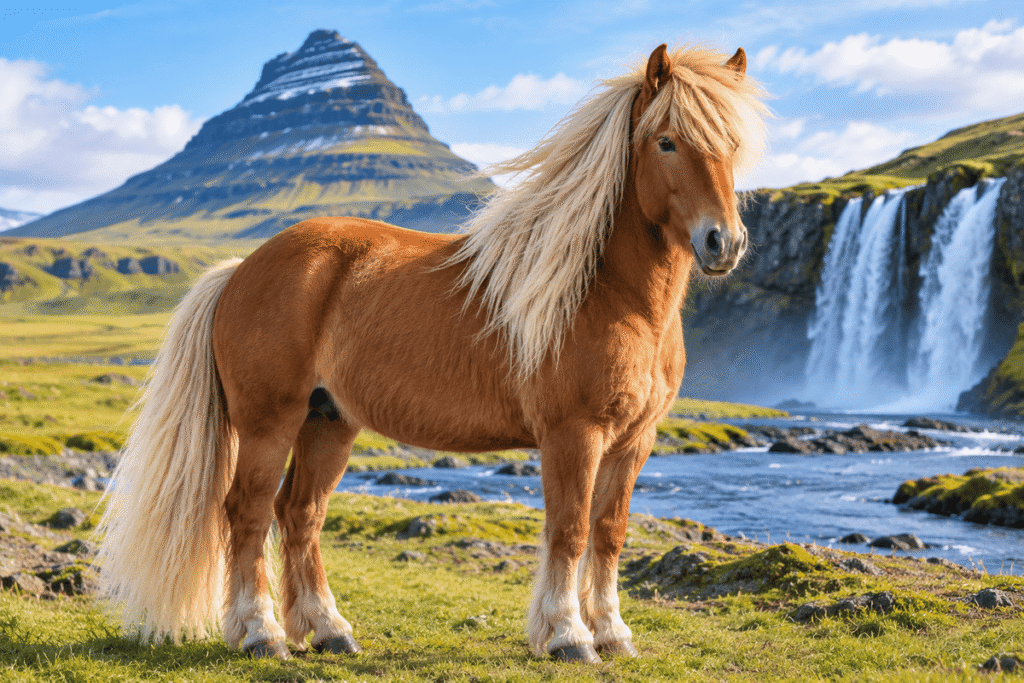
Breed Overview
Height: 13 hands (52 inches) to 14 hands (56 inches)
Weight: 730 to 840 pounds
Personality/Temperament: Friendly, confident, hardy, reliable, and willing
Physical Characteristics: Squat-legged; deep-chested; long back; shaggy fur, straight facial profile and wide forehead
Energy Level: Moderate
Coat and Color: A wide variety of colors and patterns
Life Span: 30-plus years
The Icelandic Horse is a smaller breed that has developed exceptional hardiness in Iceland’s demanding environment. Its compact size can make it less intimidating for some beginners, while its strength allows it to comfortably carry adult riders within appropriate limits.
Icelandic Horses are especially famous for their distinctive gaits and are popular for trail and recreational riding. They are generally friendly and dependable, although they can still be energetic and athletic.
For a first-time rider, an experienced Icelandic Horse with a calm personality can provide a comfortable introduction to horse ownership and trail riding.
The Icelandic horse, which is related to the Shetland pony, is a wonderful balance for being the best horse breed for beginner riders. Riders who are intimidated ride horses that are too big. This little breed usually stands between 52-56 inches, making them a wonderful option for nervous or smaller riders. Due to their height, which makes getting in and out of the saddle without a mounting block simpler, they may also be suitable for riders who enjoy riding on hacks. Icelandic horses are one of the best breeds of horses, as they can withstand severe weather conditions for pets and have firm feet because of the temperature and topography of their native country. The Icelandic breed is known for its exceptionally smooth “tolt” stride, which is generally called a fast walk.
8. Welsh Pony and Welsh Cob
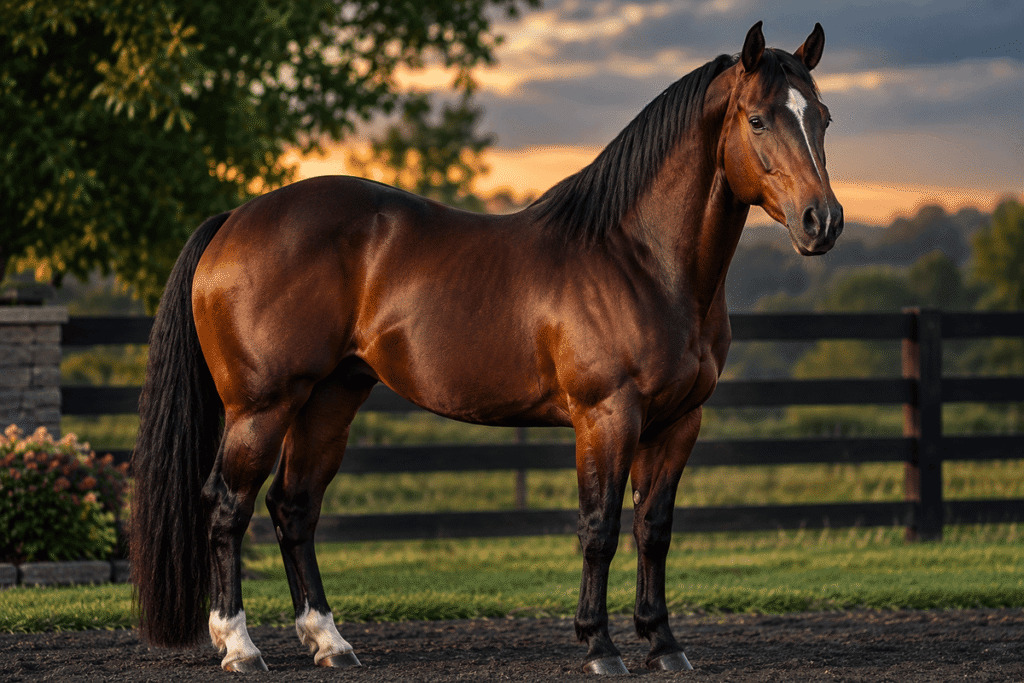
Breed Overview
Height: 11.2 hands (45 inches) to 14 hands (56 inches)
Weight: 500 to 900+ pounds
Personality/Temperament: Intelligent, friendly, hardy, alert, and willing
Physical Characteristics: Squat-legged, deep-chested, long back, shaggy fur, straight facial profile and wide forehead
Energy Level: Moderate to high
Coat and Color: Bay, black, chestnut, gray, brown, and other recognized solid colors
Life Span: 25 to 35 years
Welsh Ponies and Welsh Cobs are popular choices for children, smaller adults, and families. Their relatively small size makes them easier for some young riders to handle, while their strength and athletic ability allow them to participate in many equestrian activities.
They are intelligent and versatile, with examples competing in disciplines ranging from dressage and jumping to driving and pleasure riding. Their intelligence is a strength, but it also means that consistent training and boundaries are important. A quiet, experienced Welsh Pony can be an excellent lesson or family horse, particularly when matched with the rider’s size and experience.
Welsh Mountain Ponies, which originally belonged to Great Britain. They are the resulting cross of bigger breeds, such as Stallion and Arabian horses, to create the Welsh Cob. The Welsh Cob is a popular and best horse breed for beginners since it is often barely over 13 hands high, but don’t be deceived by its petite stature. This battle horse still functions well as a hardy agricultural animal. The Welsh Cob, which is well-known for being both intelligent and amiable and versatile in a range of disciplines, is frequently spotted at European riding schools. This horse enjoys hauling a cart as well. Welsh Cobs were developed to survive on little food. However, despite their hardiness and ability to navigate rough terrain, very little care and avoiding overfeeding is a must.
9. Pony of the Americas
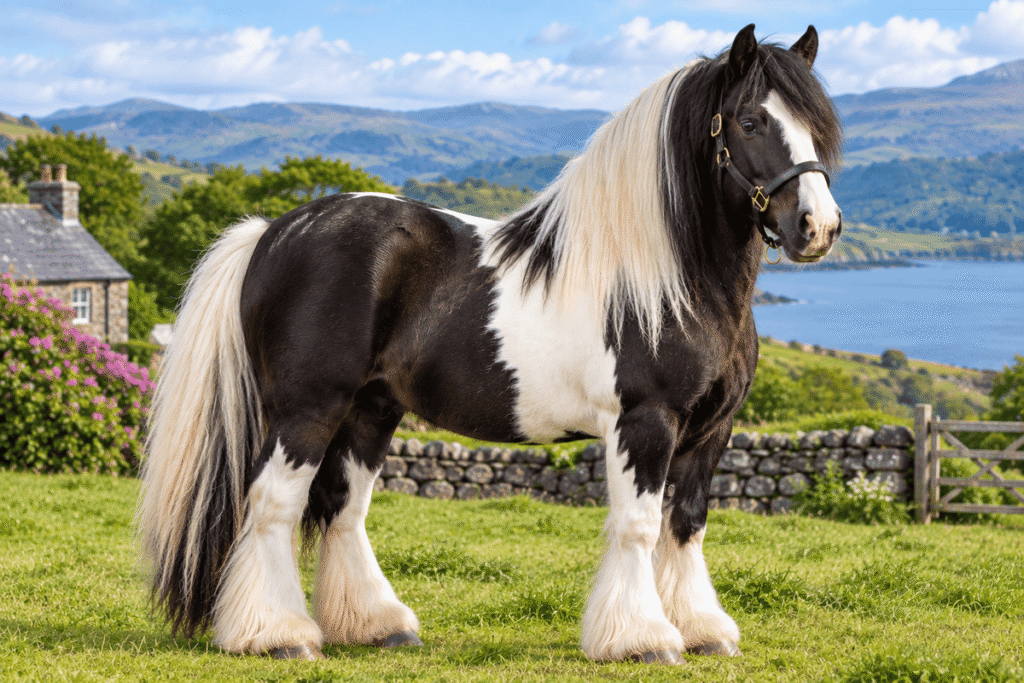
Breed Overview
Height: 11 hands (44 inches) to 14 hands (56 inches)
Weight: 500 to 900+ pounds
Personality/Temperament: Calm, intelligent, friendly, willing, and dependable
Physical Characteristics: Squat-legged; long back, shaggy fur, straight facial profile and wide forehead
Energy Level: Moderate
Coat and Color: Appaloosa-type spotting and blanket patterns
Life Span: 25 to 30 years
The Pony of the Americas, or POA, was developed with young riders in mind. It combines the size of a pony with athletic characteristics influenced by several horse and pony breeds.
Its manageable height can make it particularly suitable for children who are learning to ride and handle horses. POAs can also participate in a variety of activities, meaning young riders can continue developing their skills without quickly outgrowing the pony’s abilities.
As with all breeds, proper training matters. A smart pony can become difficult if it learns that ignoring its rider produces rewards, so consistent instruction is essential.
10. Missouri Fox Trotter
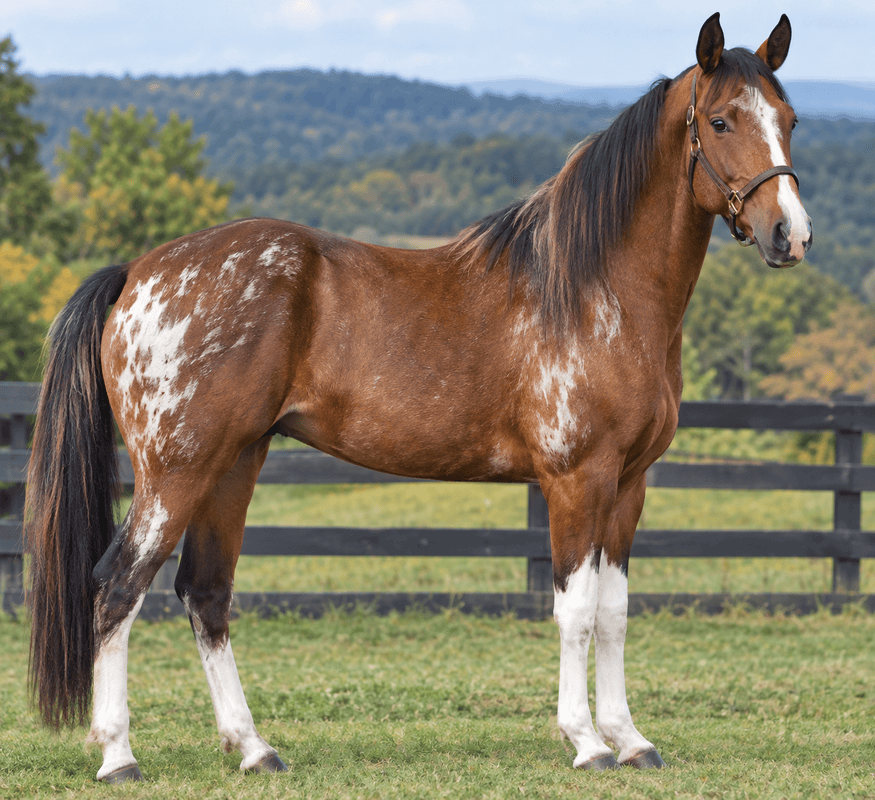
Breed Overview
Height: 14 hands (56 inches) to 16 hands (64 inches)
Weight: 950 to 1,200 pounds
Personality/Temperament: Gentle, social, calm, intelligent, and willing
Physical Characteristics: Shaggy fur, straight facial profile and wide forehead
Energy Level: Moderate
Coat and Color: Chestnut, bay, black, gray, palomino, buckskin, pinto, and many other colors
Life Span: 20 to 30 years
The Missouri Fox Trotter is an excellent breed to consider if your main goal is comfortable trail riding. It is famous for its distinctive fox-trot gait, which creates a smoother riding experience than a conventional trot.
The breed was developed in the Ozark region and has traditionally been valued for endurance, sure-footedness, and the ability to cover challenging terrain. Its generally friendly personality adds to its appeal for recreational riders.
Beginners should spend time learning how the horse moves and ensure that the individual they choose has reliable training. A well-schooled Missouri Fox Trotter can be an excellent companion for relaxed outdoor riding. This breed is popular for providing a smooth ride. They have the name foxtrot due to their distinctive ambling motion. The horse moves slowly, keeping one foot constantly in touch with the ground while keeping its head down and tail up. This horse is a great option for families because of its amiable nature.
11. Connemara Pony
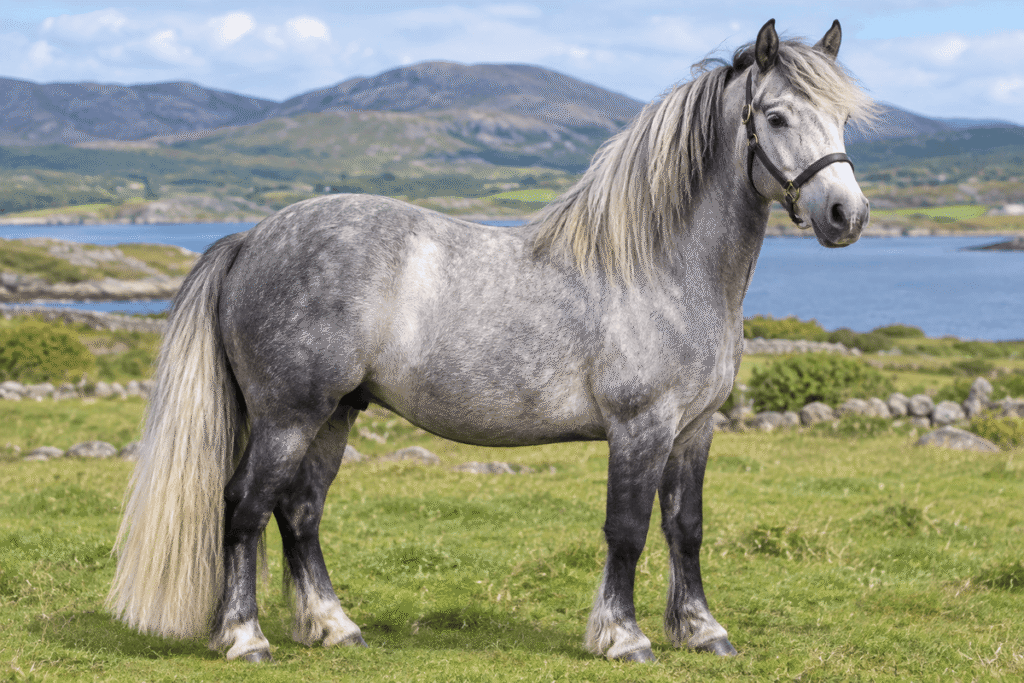
Breed Overview
Height: 12 hands (48 inches) to 14 hands (56 inches)
Weight: 600 to 900 pounds
Personality/Temperament: Sensible, intelligent, athletic, hardy, and willing
Physical Characteristics: ad
Energy Level: Moderate to high
Coat and Color: Gray, bay, black, brown, dun, palomino, and other recognized colors
Life Span: 25 to 35 years
The Connemara Pony is an Irish breed known for combining athletic ability with a sensible temperament. Its strength and versatility have helped it become popular in jumping, dressage, eventing, trail riding, and general pleasure riding.
A Connemara can be an especially good choice for a beginner who has ambitions to participate in English riding disciplines. However, these ponies are athletic and intelligent, so a complete novice should choose a mature, well-trained individual rather than a young horse.
This breed of horse originated from western Ireland. They were first bred as farm workers. The Connemara pony, which has ancestry from both Spain and Scandinavia, is an average of 14 hands/ 56 inches tall, making it the best riding horse that can accommodate riders who are shorter than typical. Connemara ponies are a great choice for young riders since they are kind and tolerant of kids. This breed requires frequent trips to the stables in order to maintain the best relationship since they love the human touch. This pony has impressive jumping ability for a tiny breed, and it is also quite active and up for almost any riding sport.
12. Irish Draught
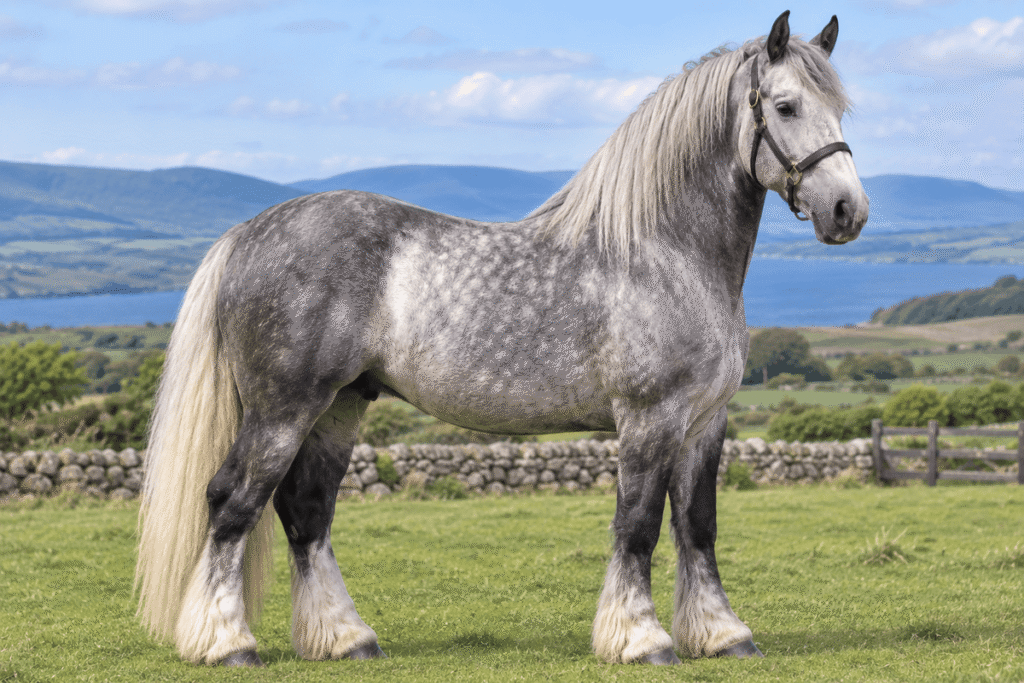
Breed Overview
Height: 16 hands (60 inches) to 16 hands (64 inches)
Weight: 1,300 to 1,500 pounds
Personality/Temperament: Sensible, docile, confident, intelligent, and willing
Physical Characteristics: ad
Energy Level: Moderate
Coat and Color: Bay, gray, chestnut, brown, black, and roan
Life Span: 25 to 30 years
The Irish Draught is a large, powerful breed with a reputation for being sensible and willing. Its substantial build can make it attractive to taller or larger riders who want a horse with plenty of physical strength.
Despite its size, a well-trained Irish Draught can be gentle and cooperative. However, beginners should understand that owning a very large horse comes with practical considerations, including appropriately sized tack, stable facilities, transportation, and handling equipment.
For someone with access to professional instruction, an experienced Irish Draught can be an excellent leisure or riding partner.
13. Clydesdale
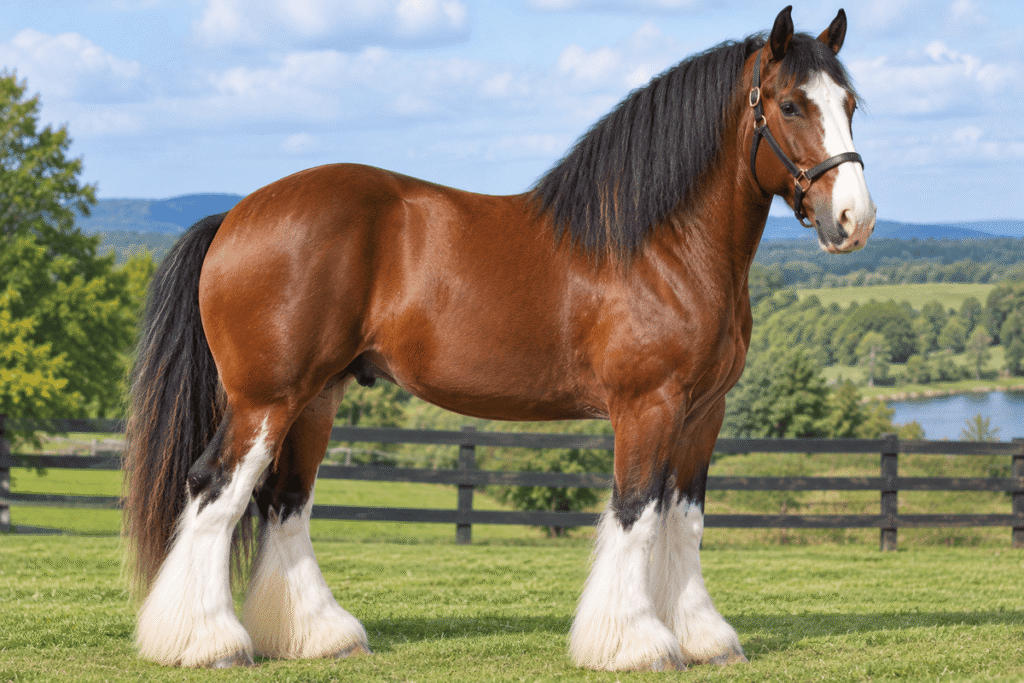
Breed Overview
Height: 16 hands (64 inches) to 18 hands (72 inches)
Weight: 1,800 to 2,000 pounds
Personality/Temperament: Gentle, patient, willing, and generally calm
Physical Characteristics: Feathering on legs; round feet; broad forehead; arched, long neck
Energy Level: Moderate
Coat and Color: Commonly bay, but also chestnut, roan, and black, often with white markings
Life Span: 20 to 25 years
Clydesdales are famous for their enormous size, feathered lower legs, and impressive appearance. Although they were historically bred primarily for pulling and farm work, many individuals have gentle and patient personalities.
They are not necessarily the easiest first horse for a complete beginner because their size alone creates additional handling and equipment considerations. A person who is comfortable around large horses and has experienced guidance may nevertheless enjoy riding a calm Clydesdale.
For most beginners, a smaller horse may be more practical, but Clydesdales demonstrate an important point: a horse’s physical size does not automatically determine its temperament. Clydesdales often have a quiet demeanor that beginners enjoy. These horses tend to be forgiving of a beginner’s mistakes and are generally calm and steady. Their biggest downside is their size. Sometimes saddle fit and tack sizing can be tricky for these larger horses. Some people find these towering horses intimidating or challenging to mount.
14. Mixed-Breed or Rescue Horse
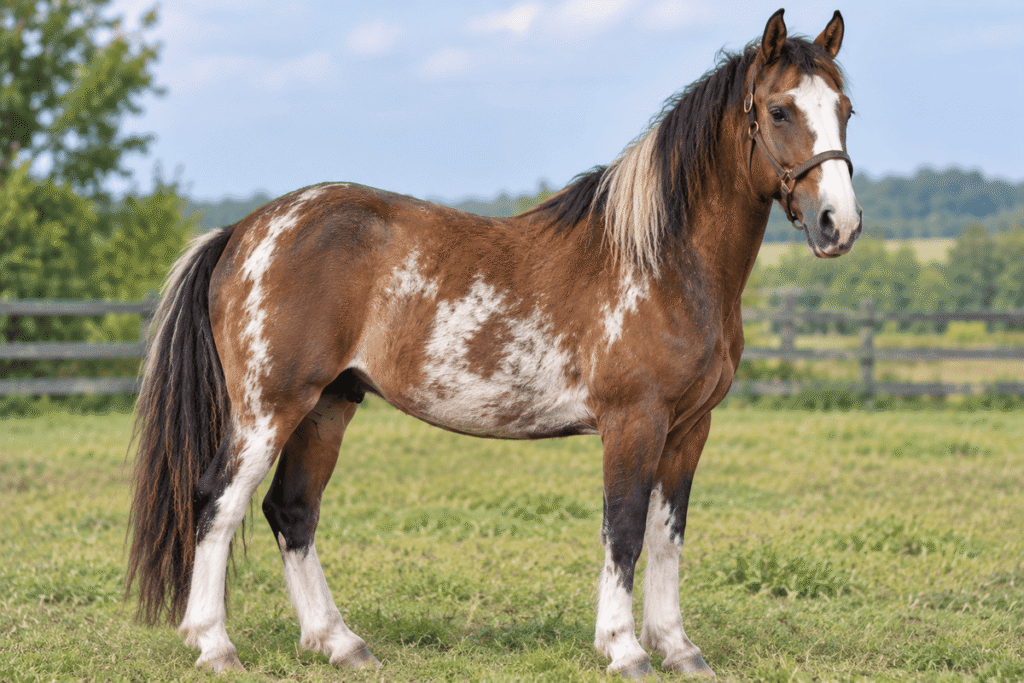
Breed Overview
Height: Varies
Weight: Varies
Personality/Temperament: Varies by individual
Physical Characteristics: Deep chest, lean body, long, flat muscles
Energy Level: Low to high
Coat and Color: Virtually unlimited variety
Life Span: Often 20–30 years, depending on genetics, health, and care
One of the biggest misconceptions about choosing a first horse is that beginners must purchase a specific breed. In reality, a mature, well-trained mixed-breed or rescue horse can be an excellent first horse.
When evaluating a rescue or mixed-breed horse, concentrate on its actual behavior and history. Is it easy to catch? Does it stand quietly for grooming and saddling? Does it respond reliably to basic cues? Has it carried inexperienced riders before?
These questions are more useful than simply asking what breed the horse is. A well-schooled older rescue horse may be a better beginner mount than a young purebred horse that still needs extensive training. The British Horse Society similarly advises first-time owners to avoid very young, unbacked, or green horses that require experienced handling.
15. Thoroughbred
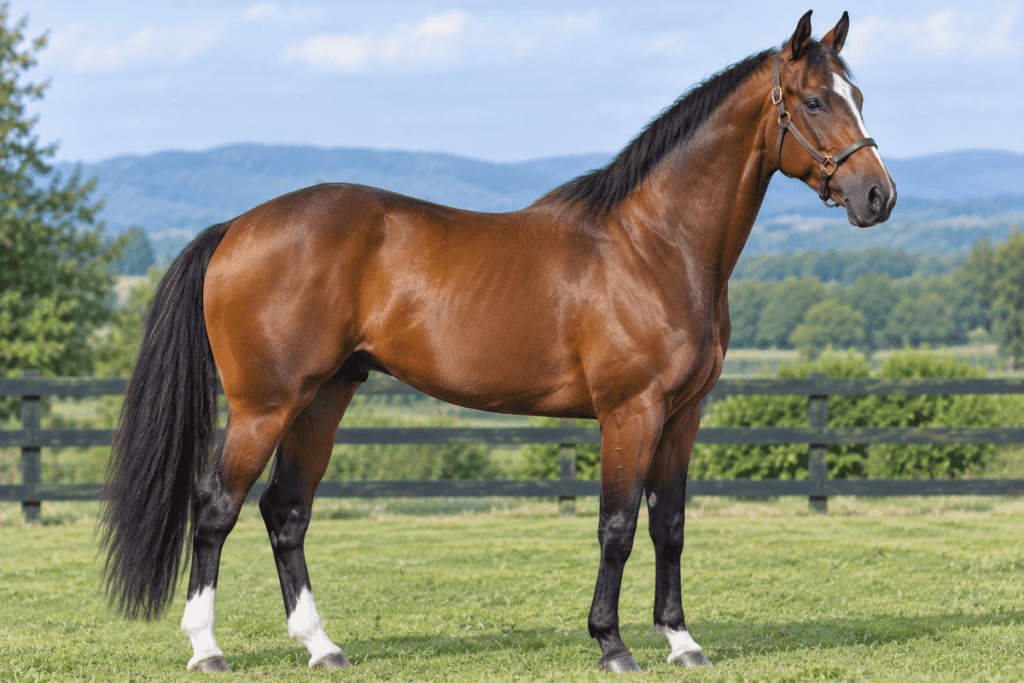
Breed Overview
Height: 15 hands (60 inches) to 17 hands (68 inches)
Weight: 1,000 to 1,300 pounds
Personality/Temperament: Intelligent, athletic, sensitive, energetic, and courageous
Physical Characteristics: Deep chest, lean body, long, flat muscles
Energy Level: Moderate
Coat and Color: Bay, chestnut, black, brown, gray, and occasionally roan
Life Span: 25 to 28 years
Largely bred for racing, a thoroughbred might turn out to be more horse than most beginners can handle. For the most part, pass on a retired racehorse that is trained to bolt at the crack of a starter pistol. However, non-racing thoroughbreds can be quiet and steady and may make great first horses.
One of the biggest misconceptions about choosing a first horse is that beginners must purchase a specific breed. In reality, a mature, well-trained mixed-breed or rescue horse can be an excellent first horse.
When evaluating a rescue or mixed-breed horse, concentrate on its actual behavior and history. Is it easy to catch? Does it stand quietly for grooming and saddling? Does it respond reliably to basic cues? Has it carried inexperienced riders before?
These questions are more useful than simply asking what breed the horse is. A well-schooled older rescue horse may be a better beginner mount than a young purebred horse that still needs extensive training. The British Horse Society similarly advises first-time owners to avoid very young, unbacked, or green horses that require experienced handling.
What Makes a Horse Good for Beginners?
Breed is useful as a starting point, but it should never be the only factor when choosing your first horse. Experienced horse professionals commonly emphasize temperament, training, and the individual horse’s suitability over pedigree.
Here are some of the most important characteristics to look for.
Calm Temperament
A beginner needs a horse that is relatively predictable and does not overreact to every small mistake. New riders naturally make inconsistent movements and cues, so a patient horse can help them learn without becoming unnecessarily anxious.
Good Training
A well-trained horse understands basic commands and responds consistently. This can make riding and everyday handling considerably easier for a new owner.
Experience With Beginners
A horse that has already carried children, novice adults, lesson riders, or inexperienced handlers can be particularly valuable. Its previous experience provides useful evidence about how it behaves with less-skilled riders.
Appropriate Age
Young horses often require significant training and consistent handling. For a first-time owner, a mature horse with years of experience may be a more practical option. The British Horse Society specifically recommends that first-time owners avoid very young, unbacked, or green horses.
Suitable Size
A horse should be physically appropriate for the rider. Bigger is not necessarily better. A rider should feel comfortable mounting, grooming, leading, and handling the horse on the ground.
Sound Health
A pre-purchase veterinary examination is extremely important. Some horses can hide pain or health problems that are not obvious during a casual test ride.
How to Choose the Best Horse Breed for Your Needs
The best beginner horse depends on what you actually want to do.
- For general riding: Consider an American Quarter Horse, Morgan, or Paint Horse.
- For trail riding: Consider an American Quarter Horse, Appaloosa, Missouri Fox Trotter, Tennessee Walking Horse, or Icelandic Horse.
- For children: Consider a Welsh Pony, Pony of the Americas, or appropriately sized Haflinger.
- For a smaller adult: Consider a Morgan, Haflinger, Icelandic Horse, or Welsh Cob.
- For English disciplines: Consider a Morgan, Connemara, Welsh Cob, or suitable Irish Draught.
- For a larger rider: Consider a suitably sized Quarter Horse, Irish Draught, or other appropriately built horse.
- For a comfortable gait: Gaited breeds such as the Tennessee Walking Horse, Missouri Fox Trotter, and Icelandic Horse may be worth exploring.
Ultimately, the individual horse should match your experience, physical requirements, goals, and lifestyle.
Frequently Asked Questions About the Best Horse Breeds for Beginners
The American Quarter Horse is often considered one of the best horse breeds for beginners because of its generally calm temperament, versatility, trainability, and widespread availability. However, the individual horse’s age, training, health, and temperament are more important than breed alone.
There is no universally calmest breed because individual personalities vary. American Quarter Horses, Haflingers, Morgans, Paint Horses, and Irish Draughts are among the breeds frequently associated with steady or willing temperaments.
Yes. A well-trained American Quarter Horse can be an excellent first horse. The breed’s versatility also allows beginners to explore trail riding, Western riding, ranch activities, and other disciplines as they gain experience.
An older horse is not automatically better, but a mature horse with extensive training and experience with novice riders can be easier for a beginner than a young, inexperienced horse. The horse’s actual behavior and history should be evaluated rather than relying only on age.
Welsh Ponies, Pony of the Americas, and appropriately sized Haflingers can be good choices for children. However, the child’s experience, size, supervision, and the individual pony’s temperament should all be considered.
Yes, many Haflingers can make excellent beginner and family horses. They are relatively compact, strong, intelligent, and generally known for their gentle and willing personalities.
A well-trained Paint Horse can be a very good first horse. Paints are often appreciated for their friendly personalities, versatility, and attractive coat patterns. However, beginners should evaluate the individual horse rather than selecting one based only on its breed or markings.
Yes, many Appaloosas can be suitable for beginners, particularly those with calm personalities and solid training. They are versatile and can be excellent trail and pleasure horses.
A Thoroughbred is generally better suited to a confident beginner who has professional support than to someone with no riding experience. Their athleticism, sensitivity, and energy can make some individuals challenging for novice riders.
First-time owners should generally be cautious about very young, untrained, unpredictable, or poorly handled horses. The British Horse Society specifically advises beginners to avoid very young, unbacked, or green horses that require experienced training and handling.
Personality and training should come first. Breed can help narrow your search, but an individual horse’s temperament, experience, health, age, and suitability for your riding goals are much more important.
The purchase price varies significantly by location, breed, age, training, health, and experience. More importantly, beginners should budget for ongoing costs such as boarding, feed, farrier care, veterinary care, insurance where applicable, tack, transportation, and routine maintenance.
For someone with little or no riding experience, taking lessons before purchasing a horse is usually the better approach. Lessons allow you to develop basic riding and horse-handling skills and help you understand what type of horse will suit you.
Conclusion: Finding the Best Horse Breed for Beginners
Finding the best horse breed for beginners is about much more than choosing a name from a list. American Quarter Horses, Morgan Horses, Haflingers, Paint Horses, Appaloosas, Tennessee Walking Horses, Icelandic Horses, Welsh Ponies, and other breeds can all be excellent choices when the individual horse has the right temperament and training.
For many first-time riders, the American Quarter Horse remains an especially strong all-around option because it combines versatility, trainability, and a generally steady personality. A Haflinger or Welsh Pony may be more suitable for a smaller rider, while a Tennessee Walking Horse or Missouri Fox Trotter may appeal to someone who prioritizes a smooth trail-riding experience.
The most important lesson is simple: choose the horse, not just the breed. A calm, mature, healthy, well-trained horse with experience carrying beginner riders can be an outstanding first partner regardless of its pedigree. Current buying guidance similarly emphasizes taking the process slowly and avoiding horses whose age or training level exceeds the owner’s experience.
Before buying, spend time with the horse on the ground and under saddle, ask about its history, involve an experienced trainer or instructor, and arrange a professional veterinary examination. With patience and careful selection, your first horse can become much more than a riding animal—it can become a trusted partner that helps you grow in confidence and enjoy the equestrian world for many years.