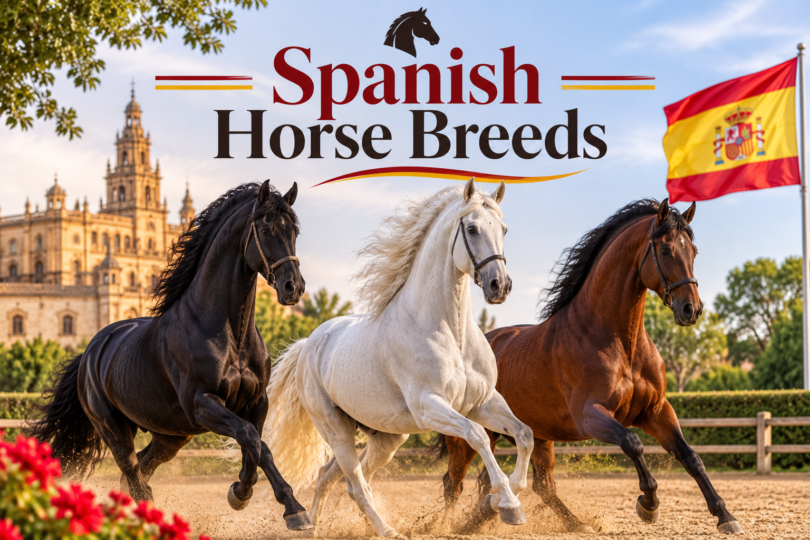
Choosing your first horse is exciting, but it is also easy to get wrong. Some breeds are too fiery, too rare, or too costly for a beginner. The best Spanish horse breeds solve much of this, because they were developed for calm temperaments, strong health, and an eagerness to learn. Below, you will find 13 Spanish breeds ranked by how friendly they are for new owners, with height, weight, and build details for each, and a short list of horses to avoid at the start.
Why Spanish Horses Win Over First-Time Owners
Scroll through any social feed today, and you will see riders chasing slow mornings, quiet trails, and a real bond with an animal. That is exactly where Spanish horses shine. For centuries, Spain’s farmers, cavalry, and nobles needed horses that stayed calm under pressure and wanted to work with people, and that history shows in their manners today. One honest note first: a horse is a big commitment of money, time, and space, so find a good trainer or stable before buying.
1 - Andalusian
Breed Overview
- Height: 15 To 16.2 Hands
- Weight: 900 To 1,100 Pounds
- Physical Characteristics: Heavy Build; Convex Or Straight Profile; Lush Mane And Tail; Typically Gray Or White
The Andalusian is the face of Spanish horse breeding, known for a proud neck, flowing mane, and a willing mind. These horses learn quickly and tend to stay level-headed, which helps nervous beginners feel safe. They are sensitive, though, so they respond best to calm, consistent handling rather than harsh correction. Expect a purchase price on the higher side, but also a horse that can grow with you from basic riding into dressage.
2 - Cartujano (Carthusian)
Breed Overview
- Height: 15.2 To 16.2 Hands
- Weight: 900 To 1,100 Pounds
- Physical Characteristics: Strong, Compact Build; Expressive Head; Thick Mane; Mostly Gray
Bred for centuries by monks in Andalusia, the Cartujano is a purer, rarer line of the Andalusian family. It carries a famously gentle and patient nature, which makes it a lovely choice if you want a quiet companion. Because the breed is small in numbers, finding one can take time and a larger budget. A good option for a beginner who values temperament over speed.
3 - Menorquín
Breed Overview
- Height: 15 To 16 Hands
- Weight: 900 To 1,100 Pounds
- Physical Characteristics: Elegant, Long-Necked Build; Long, Flowing Mane And Tail; Always Black
Born on the island of Menorca, this all-black horse is a star of local festivals, where it rears and dances before cheering crowds. Despite the show-off image, it is generally calm and bonds closely with its handler. It suits owners who enjoy groundwork and ceremonial or dressage-style riding. Availability outside Spain is limited, so plan.
4 - Mallorquín
Breed Overview
- Height: 15 To 16 Hands
- Weight: 900 To 1,000 Pounds
- Physical Characteristics: Refined, Slender Build; Arched Neck; Dark Coat, Usually Black Or Dark Bay
The Mallorquín is a rare island breed that looks delicate but is surprisingly tough and sensible. It is gentle with people and willing to learn, which suits a patient first-time owner. Because numbers are small, owning one often means joining a tight-knit community of breed enthusiasts. Best for someone who values rarity and history.
5 - Hispano-Árabe
Breed Overview
- Height: 15 To 16 Hands
- Weight: 900 To 1,000 Pounds
- Physical Characteristics: Light, Athletic Build; Refined Head; Fine Mane; Common In Gray, Bay, And Chestnut
This cross between Spanish and Arabian blood gives you stamina without the extreme fire some pure Arabians have. It is a strong choice for trail riding and endurance work, and many are friendly and curious. Energy levels vary, so a beginner should test ride before buying. A very practical all-rounder.
6 - Losino
Breed Overview
- Height: 14 to 15 hands
- Weight: 700 To 900 Pounds
- Physical Characteristics: Sturdy, Medium Build; Short Back; Strong Legs; Usually Bay Or Black
7 - Marismeño
Breed Overview
- Height: 13 To 14.2 Hands
- Weight: 600 To 750 Pounds
- Physical Characteristics: Compact, Wiry Build; Sturdy Legs; Coat In Bay, Gray Or Chestnut
This small horse comes from the wetlands of Doñana in southern Spain, where herds lived semi-wild for generations. It is tough, thrifty, and fairly healthy, but can be spirited if handled without confidence. A beginner will do best with one that has already been well trained. A good fit for light trail work and for owners who like a hardy, low-fuss animal.
8 - Retuertas
Breed Overview
- Height: 13.3 To 14.3 Hands
- Weight: 700 To 850 Pounds
- Physical Characteristics: Light But Sturdy Build; Straight Profile; Usually Bay Or Dark Coat
The Retuertas is one of Europe’s rarest horses, kept alive by conservation efforts in Spain. It is an ancient-looking, resilient breed that fits more as a heritage animal than a typical riding horse. You will rarely find one for sale, and its wild background means it is not a first choice for a complete beginner. Admire it, support it, but think carefully before taking one on.
9 - Asturcón
Breed Overview
- Height: 11 To 12.2 Hands
- Weight: 400 To 500 Pounds
- Physical Characteristics: Small, Strong Pony Build; Short Neck; Thick Mane; Dark Coat, Usually Black Or Bay
This tiny pony from Asturias is calm, tough, and full of character. Its size makes it far less intimidating for new owners and for children. It does well on modest pasture and handles cold, wet weather without fuss. A lovely starter for families with a small budget and limited space.
10 - Pottoka
Breed Overview
- Height: 11 To 12.3 Hands
- Weight: 400 To 600 Pounds
- Physical Characteristics: Stocky Pony Build; Short Legs; Thick Mane And Tail; Mostly Black Or Bay
The Pottoka comes from the Basque hills and has the independent, clever mind of a true mountain pony. It is friendly once trust is built but can be stubborn, so patience matters. Its small frame makes grooming and handling easy for beginners. Great for light riding, driving, and companionship.
11 - Jaca Navarra
Breed Overview
- Height: 13 To 14 Hands
- Weight: 650 To 800 Pounds
- Physical Characteristics: Compact, Muscular Build; Broad Chest; Thick Mane; Dark Bay, Brown Or Black
Developed in Navarre as a farm and packhorse, this breed is calm, strong and good-natured. It carries weight well and copes with rough terrain, so it suits hillside trails. It is not flashy, but dependable horses are exactly what a first-timer needs. Keep an eye on feed, as it can gain weight easily.
12 - Galician (Caballo de Pura Raza Gallega)
Breed Overview
- Height: 12 To 13.2 Hands
- Weight: 500 To 650 Pounds
- Physical Characteristics: Small, Sturdy Build; Short Back; Dense Mane And Tail; Bay, Black Or Chestnut
Galicia’s native pony is hardy, sensible, and easy to keep. It adapts well to damp climates and does not demand rich feed. Its manageable size and steady temperament make it friendly for new owners and young riders. A smart low-cost choice.
13 - Burguete
Breed Overview
- Height: 13 To 14 Hands
- Weight: 700 To 900 Pounds
- Physical Characteristics: Compact, Heavy-Set Build; Muscular Neck; Thick Mane; Usually Chestnut Or Bay
A small draft-type horse from Navarre, the Burguete is strong, quiet, and very patient. It was bred for farm work, so it stays calm around noise and routine. It is better for slow, relaxed riding than for speed. A reliable partner for an owner who wants calm over flash.
Horse Breeds to Avoid as a First-Time Owner
Not every horse is a good starting point. Be cautious with very spirited or rare, semi-wild types such as the Retuertas, and with young, untrained horses of any breed, because they need experienced hands. Highly sensitive show horses can also be overwhelming if you lack riding confidence. Whatever you choose, ask a trainer to assess the horse before you buy and budget for feed, farrier, vet, and stabling.